The most dangerous spot to plug in your microwave (and how it could start a fire)
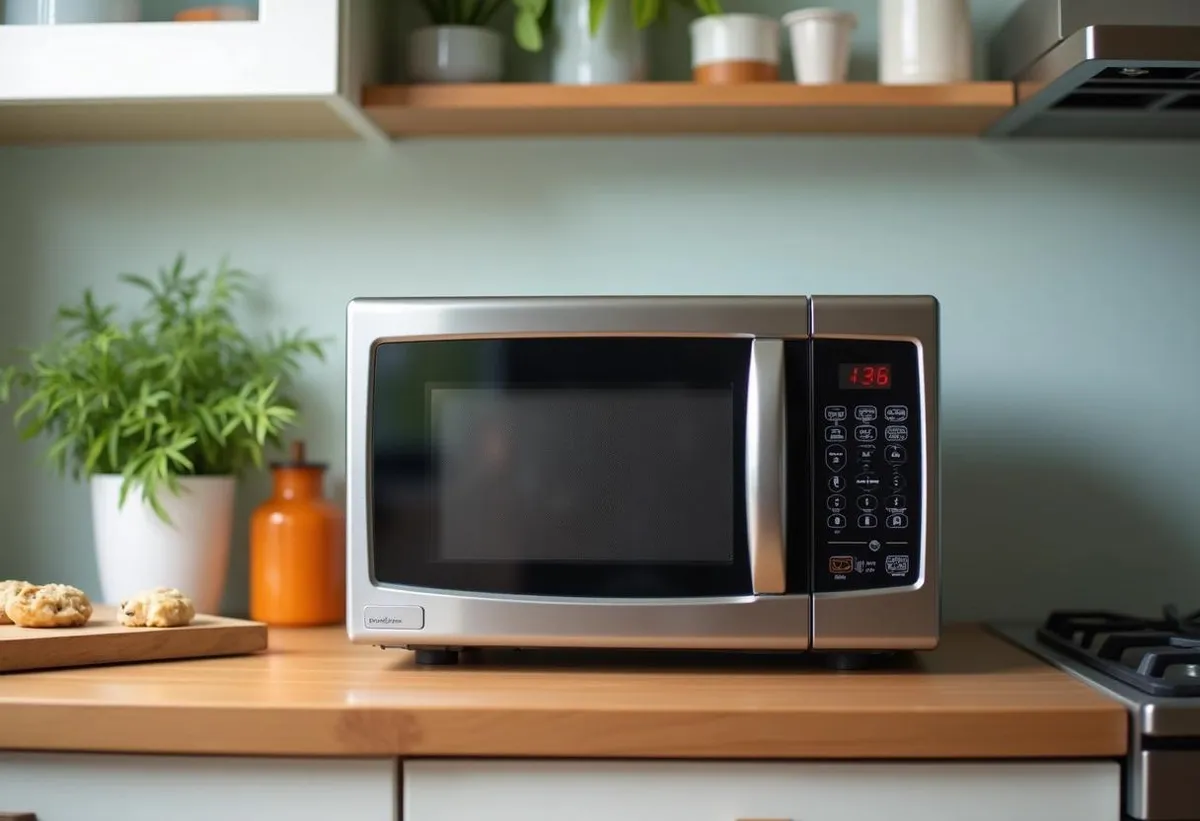
In many homes, the microwave is seen as a go-to gadget for quick cooking, reheating and defrosting. But where you put it really matters. Poor placement can create safety problems: overheating and a higher chance of fire can result from bad ventilation, being too close to heat sources, or shoddy electrical connections. Homeowners should think about safety when choosing where to site their microwave.
A kitchen staple — but at what cost?
The microwave brings obvious convenience, yet it carries some hidden dangers if installed badly. Putting a microwave too close to a heat source, enclosing it without proper ventilation, or plugging it in incorrectly can all lead to overheating and fire hazards. Safety isn’t just about the appliance itself; where you put it and how it’s wired plays a big part. Users need to be vigilant about these points to avoid potential problems.
The magnetron (the part that produces the microwaves that heat food) creates heat during operation, so it needs good ventilation to work safely. Blocked vents or units fitted without the required clearances can cause components to overheat, make the thermostat trip repeatedly, and eventually damage internal insulation. Likewise, placing a microwave next to heat-emitting equipment such as cooktops, ovens or deep fryers exposes the casing to radiant heat and greasy steam, which can warp plastics and age the electronics faster.
Risks from poor placement
A microwave set on an unstable surface or positioned too high is more likely to fall, which can damage the cord and other parts. An electrical connection made via a worn-out socket, a makeshift connector block, or an overloaded power strip can create hot spots from poor contact, possibly charring the plug or the wall box. Lacking proper earthing and adequate residual-current protection raises the electrical risk even further, so location and wiring matter.
Avoiding a few bad habits will markedly improve safety. Never use an extension lead or a power strip with a microwave — its high current draw can heat conductors and connectors and lead to arcing. Check the power cord regularly for damage such as nicked or crushed insulation, burn marks, or any unusual smell; if you spot any of these signs, take the appliance out of service straight away. Keep the microwave away from moisture-prone spots like above a sink, near a kettle, under frequently opened windows, or in recessed areas where condensation builds up, because moisture encourages corrosion, short circuits and the formation of conductive deposits.
How to keep your microwave safe
Following a few good practices will keep microwave use safe. Start by choosing a well-ventilated, stable spot away from heat sources and allow sufficient air gaps — about 10 cm at the sides and back, and 15–20 cm above if the manufacturer gives no specific guidance. Put the microwave on a rigid, level surface at a safe height and never directly beneath a cooktop or a built-in oven. Regularly clean vents and the rear panel to stop dust and grease forming an insulating layer that raises temperatures.
On the electrical side, make sure the microwave is plugged into a dedicated, properly wired outlet with a working earth and suitable protection — for example, a 16 A circuit with a 30 mA Residual Current Device (RCD). Don’t share the outlet with other high-power appliances. Keep the power cord unbent and unpinched so you can unplug it easily if you notice an odd smell or suspicious noise.
A few extra tips
- Improve protection by using a good-quality voltage regulator or a wall-mounted surge protector rated for the appliance’s power to reduce the effects of power surges.
- Get a professional to inspect the home’s electrical installation, especially if several large appliances are on the same circuit, the property is older, or breakers trip often.
- Always follow the manufacturer’s instructions — their guidance on minimum clearances, plug types, power draw and any specific recommendations takes precedence over general rules.
Understanding and practising these measures is key to keeping your home safe from the hidden perils of microwave use. By focusing on sensible placement and regular maintenance, you can enjoy the convenience of this everyday kitchen ally without compromising safety. Remember to inspect the appliance regularly and adapt your habits to avoid potential hazards so your microwave stays a useful but secure part of your home.