Experts reveal that giving drivers a wave of thanks when crossing the road is closely linked to particular personality types
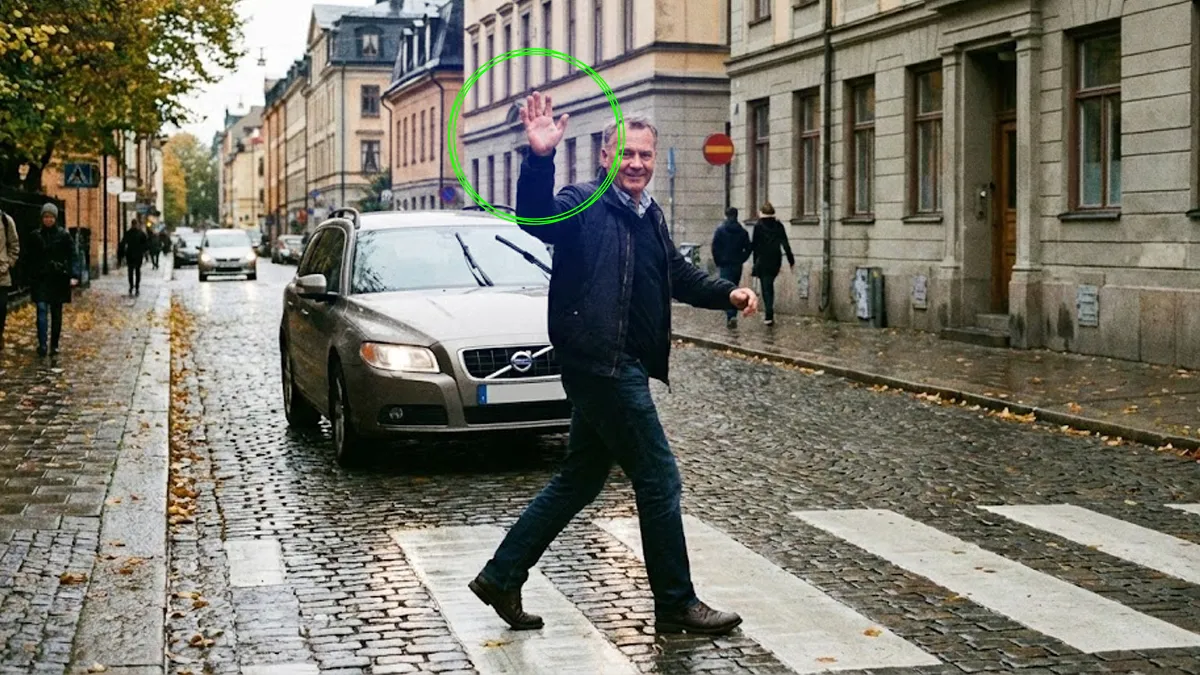
The simple act of a pedestrian waving to a driver who has stopped at a crossing might seem tiny, but it carries a lot of social and psychological meaning. That split-second exchange — often under a second — brings together gratitude, empathy and a moment of presence, and it tells us a lot about how people behave in towns and cities.
A wave that says thanks and cooperation
Waving to acknowledge a driver’s courtesy isn’t just polite; it’s a real psychological signal. Psychologists say this quick gesture reflects gratitude, empathy and a sharp attention to the present moment (what’s often called mindfulness). By saying thanks, pedestrians help turn shared spaces from a kind of battleground into an area of negotiation and mutual respect. These little interactions change drivers from anonymous obstacles into recognised partners in the daily urban dance.
In recent years, research into gratitude has picked up pace across the United States and Europe, showing that simple acts of appreciation link to better mental health, steadier relationships and improved sleep. People who regularly express gratitude tend to report less stress and greater life satisfaction. That small wave can also encourage prosocial behaviour, such as helping strangers or easing a tense rush-hour mood.
What the brain does when we show gratitude
Neuroscience gives us another angle: studies find that expressing and receiving gratitude lights up brain regions tied to reward and social bonding (areas linked to pleasure and forming social ties). Those interactions help the brain register safety and connection rather than threat, giving a tiny social boost — a “micro-dose” of reward, similar to the warm feeling when someone holds a door open. Such gestures can nudge our nervous system towards calm and strengthen social ties.
Mindfulness plays a key role here. When a pedestrian notices and acknowledges a driver’s considerate move, they’re tuning into the present instead of being pulled away by their phone or inner thoughts. That presence turns an ordinary activity like crossing the road into a chance for active engagement and connection.
How empathy wakes us up on the move
A lot of city life pushes people into autopilot: they move out of habit and often feel detached from what’s around them. The wave interrupts that autopilot. To lift a hand in thanks, a pedestrian has to notice the driver’s decision, judge it as considerate and choose to respond with a visible, friendly gesture. That switch from “I’m just trying to get across” to recognising a shared moment highlights how empathy works in everyday interactions.
Many pedestrians who wave have also been drivers and understand what stopping takes. The wave signals that shared understanding, allowing people to read the driver’s action as cooperative. That empathetic viewpoint smooths social exchanges and turns potentially adversarial urban spaces into places of mutual acknowledgement.
How waving helps build patience and civility
The wave also shows patience: it interrupts a pedestrian’s rush to acknowledge a driver’s kindness. Traffic situations often provoke irritation, yet those who pause for such gestures frequently carry that patience into other parts of their day. Over time, these small acts of civility can shift someone’s outlook, leading them to describe the world as “not perfect, but mostly decent.”
For people who walk past drivers without acknowledging them, the missed chance for a positive micro-interaction can make a commute feel cold and mechanical. Waving, by contrast, turns the exchange into a shared human moment, creating connection even in anonymous urban settings.
How to make gratitude part of your day
Psychologists suggest a simple experiment: for one week, wave or nod to drivers who give way. Watching how they react can show what the habit does for your mood and sense of connection. Repeating the gesture regularly works as a small daily reset, a pause in the rush of city life.
People who wave tend to thank bus drivers, nod to considerate cyclists and show appreciation in other small ways. These acts are easy to weave into everyday routines and help stitch together a more civil urban life.
Ultimately, the pedestrian’s wave blends gratitude, empathy and mindfulness. This small but powerful gesture can change how we experience and relate to the world, inviting moments of connection, understanding and shared humanity in everyday life.