Do You Wear Socks in Bed or Go Barefoot? What Your Night-time Habit Says About You
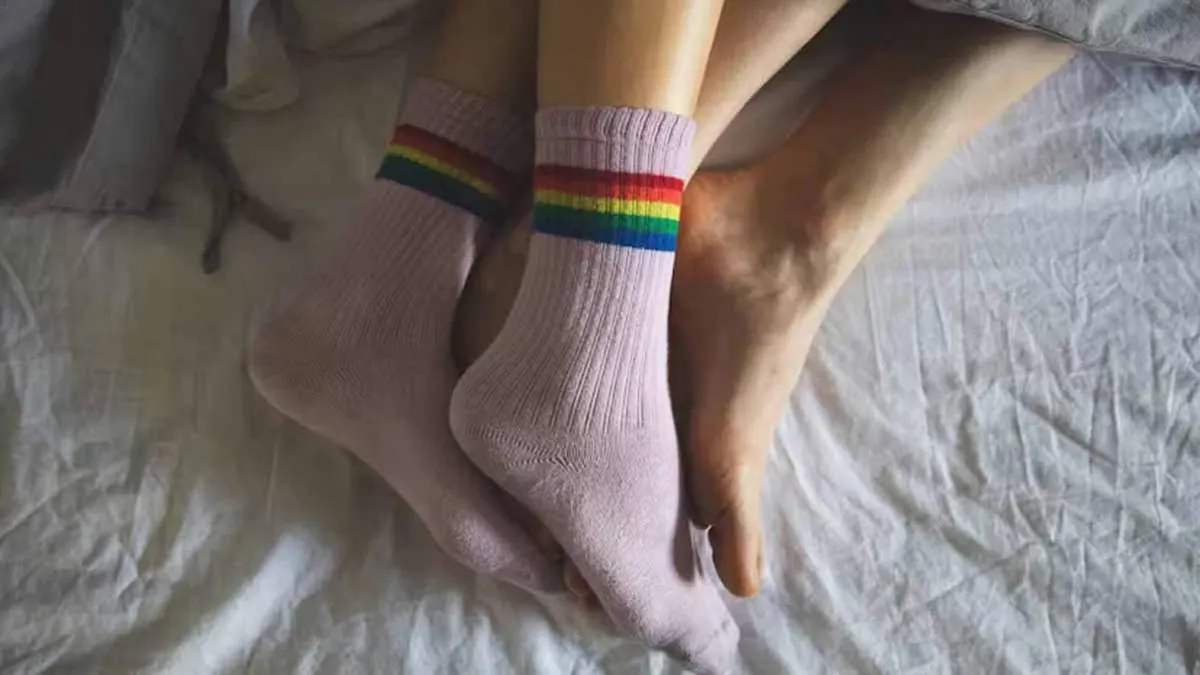
When it comes to bedtime routines, a tiny choice can tell us more than we might expect — whether we pull on socks before lights out or head to bed barefoot. At first glance it’s just about comfort, but that little habit often reflects wider aspects of personality, mindset and relationships. Looking at what lies behind this mundane choice can shed light on how people relate to themselves and others, and how they go about life in general.
Why some of us sleep with socks on
For people who wear socks to bed, it’s about more than keeping warm. Psychologists suggest that sock-wearers create a “cocoon” or “safe little bubble” to shield themselves from overwhelming external stimuli. This “invisible shield” or “soft armour” acts as an unconscious form of self-care and protection.
Those often labelled “sock-sleepers” are described by psychologists as empathetic, intuitive and careful observers. They tend to be more sensitive and capable of picking up on subtleties others might miss. In relationships, they usually open up slowly and gently, taking time to feel safe before showing their inner world. Wearing socks can therefore be read as a small declaration of self-care, symbolising an inner resilience and the strength found in vulnerability.
Why others prefer going barefoot
By contrast, a lot of people find the idea of sleeping in socks unbearable. For these “barefoot sleepers”, going sockless is about freedom and spontaneity. Socks feel “unbearable” and “restrictive”, standing in the way of the space, lightness and fresh air — both literal and figurative — they crave.
Seen as “freedom-seekers”, barefoot sleepers prize independence, often choosing the road less travelled (literally or figuratively) or switching off their phones at the weekend. They come across as active, independent and sometimes a touch rebellious. In relationships they might seem guarded at first, but once trust is there, they embrace intimacy wholeheartedly and without reservation.
What psychologists say about connection
According to psychologists, these opposing bedtime rituals offer useful insights into how people connect with others. Sock-wearers might protect their inner world until they feel safe to share it, approaching intimacy gradually and carefully. On the opposite end, barefoot sleepers may take longer to let someone in, but when they do, they commit passionately, with no half measures.
These behaviours aren’t just about physical comfort — they mirror how people give and receive intimacy. Small bedtime habits give us a peek at the different ways individuals express warmth and trust.
The bigger picture of small habits
Psychologists stress that these tiny bedtime choices carry psychological meaning. Whether you side with “team socks” or “team barefoot”, each choice reflects how someone moves through life, relates to themselves and connects with others. The simple act of slipping on socks or choosing to go bare reveals underlying personality traits and preferences.
As you think about your own bedtime ritual, ask yourself: do you find security and cosiness in socks, or do you prefer the freeing feel of bare feet? There’s no right answer — this is descriptive rather than prescriptive. Taking a moment before you settle down for the night to consider what your feet might be saying could uncover surprising things about you.
In the end, this small choice is a reminder that even the tiniest habits can reveal real truths about who we are and how we navigate the tricky business of human connection.