Do you put on your left shoe or your right one first? Psychologists reveal what this says about your personality
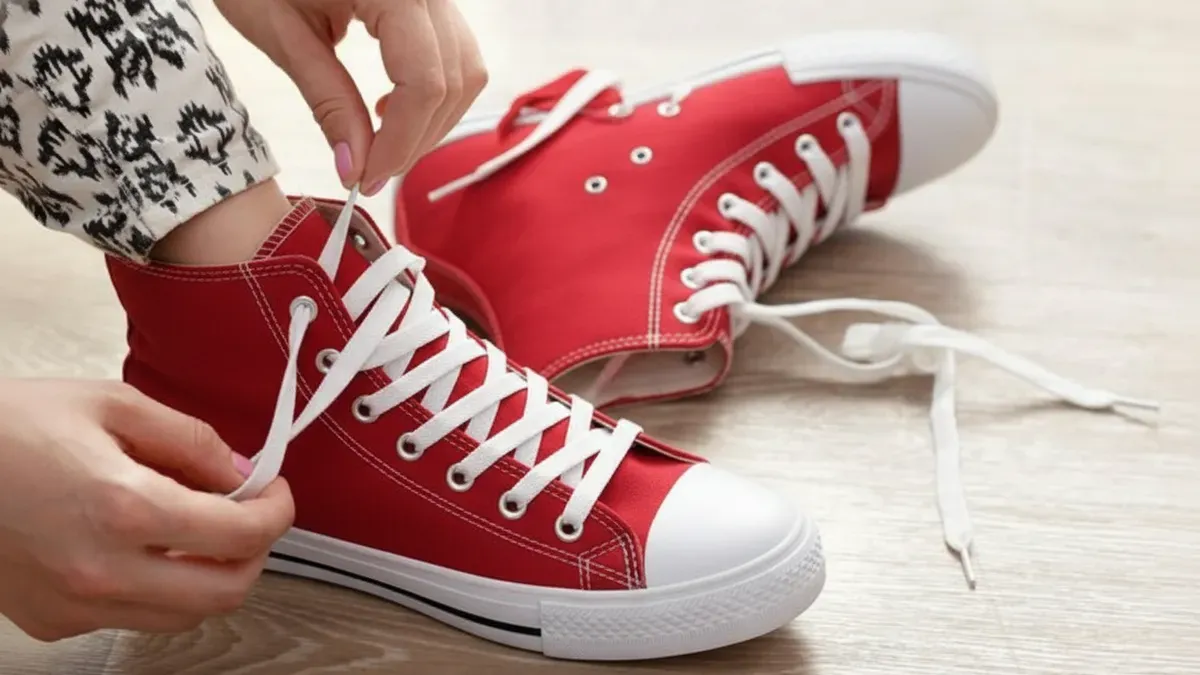
In behavioural psychology, even the smallest things we do every day can shine a light on who we are. The order in which we put our shoes on — a seemingly trivial habit — can give surprisingly revealing clues about our mindset and emotional tendencies. It may look insignificant, but looking at these micro-habits (mikronávyky — a term for tiny daily routines) can uncover patterns beneath the surface.
What micro-habits reveal — more than just shoes
Behavioural psychology studies how actions, big and small, are learned and repeated. Micro-routines, like how we tie our laces or the order we lay out things before leaving, are largely automatic. They run on autopilot and can act as a window into deeper behavioural patterns.
The sequence of putting on shoes is one of those micro-habits that stands out. What looks random can actually reflect an internal consistency or a set routine. As a form of non-verbal communication, these little gestures send messages to ourselves and to others. Seen alongside posture, the way someone carries a bag, and sitting mannerisms, a single micro-signal like shoe order helps build a fuller picture of someone’s behavioural style.
Which shoe do you put on first — right or left
Some behavioural psychologists link one side of the body to particular traits. The right side is often associated with logic, structure and planning. People who habitually put on the right shoe first tend to be task- and result-oriented, action-focused, and favour organised systems. They may show a need for control, careful planning and a calmer way of expressing emotions.
Starting with the left shoe is commonly linked to emotion, creativity and intuition. Left-first people are often more emotionally sensitive, creative, spontaneous in decision-making and adaptable when things change.
Then there are those who have no fixed shoe-order and switch between right and left. That pattern suggests practicality and flexibility rather than ritual — a lower need for rigid structure and a greater ability to adapt.
How scientific is it? evidence and limits
It’s tempting to draw personality conclusions from shoe order, but the science is far from settled. Some studies hint that micro-habits reveal personality traits, yet the evidence is limited and far from definitive. These interpretations are best taken as prompts for self-reflection rather than as firm assessments.
Environmental and social factors — family habits or routines learned at home — also shape these behaviours, widening the range of possible explanations beyond individual personality alone.
How to observe your routines
If you want to explore this yourself, try a simple experiment. Notice which shoe you reach for first in different situations — when you’re relaxed and when you’re in a rush. Do the same for other small routines, like which trouser leg you pull on first. Keep a note for a few days and then check for any patterns.
Daily rituals and habits can give a sense of order and psychological stability, but being overly rigid about them can cause anxiety when they’re disrupted. It’s worth asking whether a habit helps or hinders your wellbeing.
Wearing shoes in a certain order won’t make or break your day, but the pattern can subtly shape how you feel. Whether you decide to challenge your usual shoe order or leave it be, the exercise offers a neat way to learn a bit more about yourself through micro-habits.