According to psychology, individuals who constantly browse social media without posting or commenting often share these five personality traits
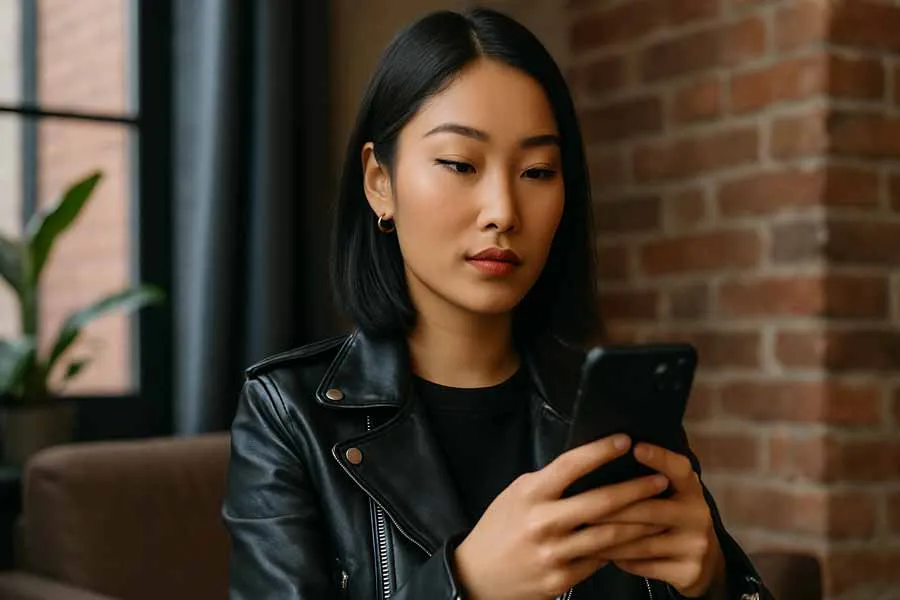
In the busy world of social media, full of posts, comments and the constant push to be seen, there’s a quieter crowd: social media lurkers. These people use platforms differently — they watch more than they take part. Getting to grips with what drives them and recognising what they bring to the table helps show the many ways people experience social media.
Eyes open, mouth closed
“Eyes open, mouth closed” sums up lurking nicely. Unlike quick-fire commenters who reply in seconds, these users take their time. They listen, tuning into the rhythm and tone of conversations much like a careful driver easing off the gas in the rain. That image speaks to their restraint. Often they draft a comment, mull it over, then delete it if they’re unsure of the effect. Posting is a deliberate choice rather than a reflex.
When lurkers do speak up, their words often stand out. A single voice in the noise can draw attention, like a door opening in a quiet house. Thoughtful, well-timed reactions can calm a heated thread and bring a fresh perspective. That careful participation helps both the individual and the wider conversation.
Lurkers in the audience seat
Not everyone wants the spotlight. Many prefer to be the observer — picture sitting at a café window, warm cup in hand, watching the street. That viewpoint is often linked to introversion, but it’s the energy they take from watching that matters. Rather than feeling drained by the online rush, lurkers come away feeling refreshed. They save articles to fuel real-life conversations at dinner, and share insights in private group chats with a few friends instead of broadcasting to thousands.
Their feeds act more like libraries than stages, places to spot trends before they go mainstream. Lurkers can see through performative posts and are often better at spotting who’s genuinely present.
Safety first, even online
Every post has risks — lurkers tend to be more aware of that. Privacy becomes a warm jacket on a cold day, protecting them from unwanted direct messages, misread jokes and unauthorised profile screenshots. They put up simple guards: setting accounts to private, muting certain words, and choosing to air some opinions face to face where tone can’t be misunderstood.
Some keep a second, lower‑stakes account for hobbies like art or playlists. Boundaries aren’t solid walls but porch lights: welcoming trusted friends while keeping a comfortable distance.
Depth over display
For lurkers, reflection beats shouting to be heard. They collect viewpoints — much like postcards — then sift through them when things quiet down. Using social media is less about chasing algorithmic likes and more about personal values and meaningful content. That approach tends to build firmer friendships and longer attention spans.
When a reflective user does post, they often put into words what others felt but couldn’t say. Their patience and timing can cool down a heated exchange or lift a friend’s spirits, showing the social benefits of their style.
What quiet users teach us
Both the loud voices and the quiet watchers add to the texture of online life. Commenters push ideas forward, while observers offer stability and perspective. Noise can feel like life, but the pauses often hold the real pulse. Holding back is an act of courage — it gives thoughts time to grow before they’re shared.
To value what lurkers bring, try scrolling with more purpose, saving rather than sharing on impulse, and choosing smaller spaces for vulnerable conversations. Doing so acknowledges that attention — and the care it shows — remains a meaningful currency online.
The presence and habits of social media lurkers underline a needed balance in how we interact digitally. Through their quiet participation, they remind us that sometimes doing less is kinder to our future selves.